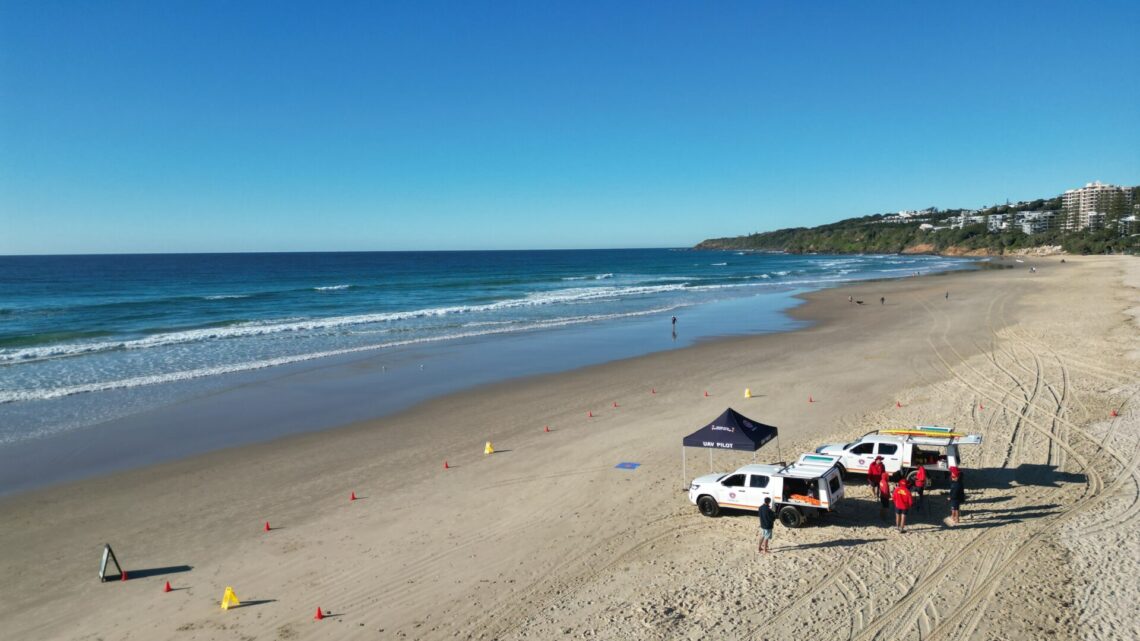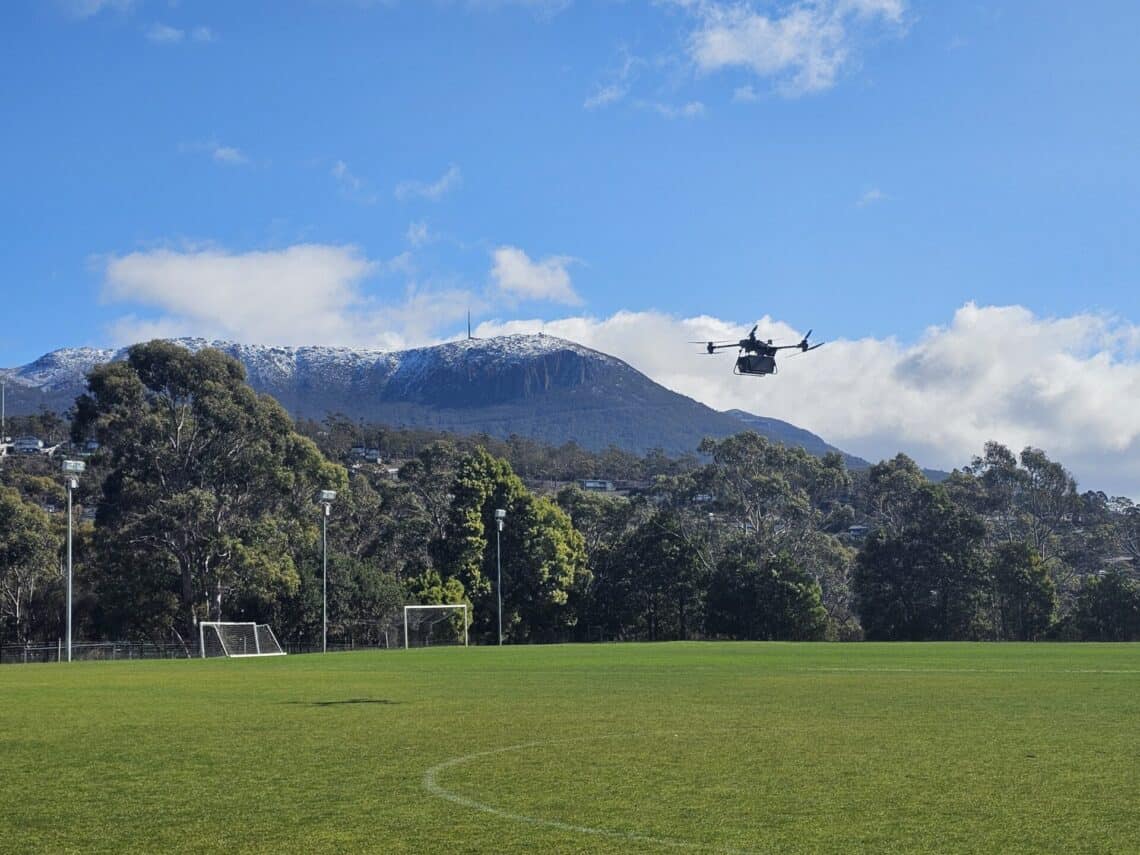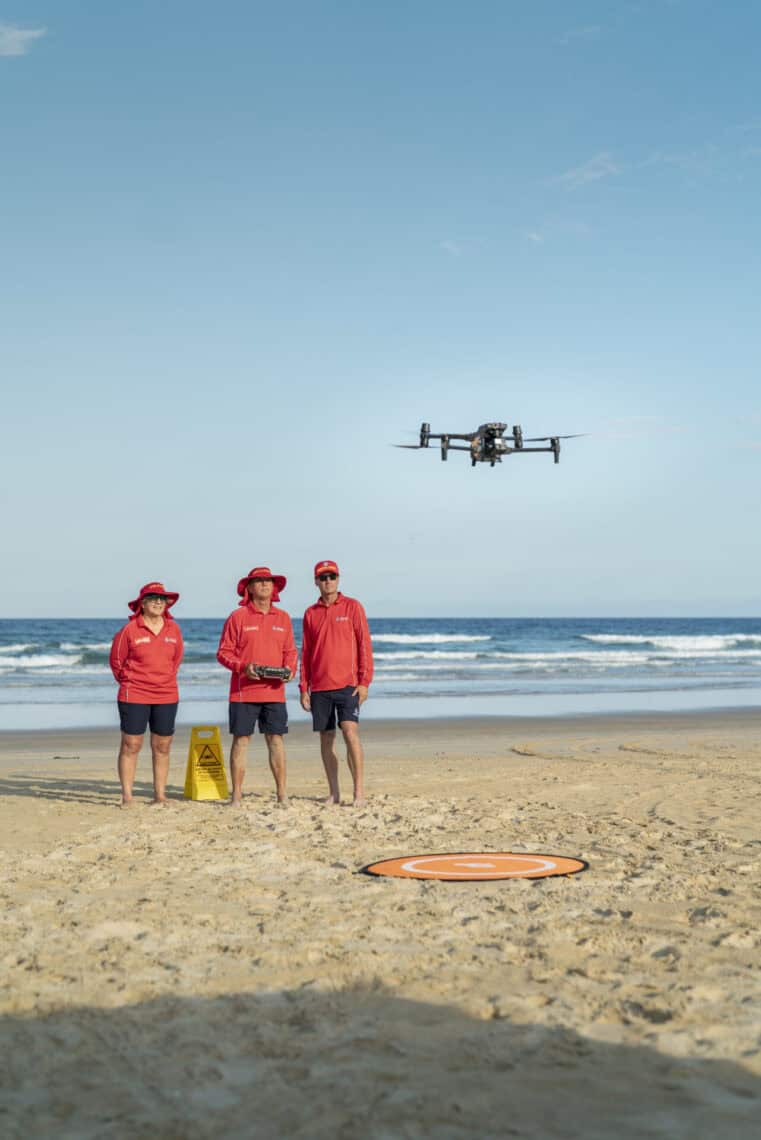
As the drone industry continues to grow in Australia, drone operator jobs are becoming more diverse, spanning sectors like agriculture, cinematography, surveying, environmental monitoring, and emergency response. Whether you're considering how to become a drone pilot in Australia or are already looking to upgrade your skills, enrolling in a drone training Australia program is the best way to ensure you're equipped with the skills and certifications needed for success.
In 2025, professional drone training is more advanced than ever, with training courses designed to help you master a wide range of critical skills. From regulatory knowledge to flight operations, payload management to mission planning, these courses prepare you for real-world drone operations, ensuring you are fully capable of handling both routine and emergency situations. Here are five key skills you'll master in a professional drone training course in 2025.
1. Regulatory Knowledge and Compliance
One of the most important skills you’ll acquire in a professional drone training course is a thorough understanding of Australian aviation regulations, particularly the Civil Aviation Safety Authority (CASA) guidelines. As a drone pilot, it is essential that you operate in compliance with all relevant laws to ensure safety and legality.
Key Areas Covered:
- Remote Pilot Licence (RePL): As part of CASA-approved drone courses, you will learn about the RePL requirements, which are essential for commercial drone operations in Australia. This licence is mandatory for anyone operating drones for work or business, and your training will ensure you understand the legalities surrounding drone flights.
- Airspace Management: Effective airspace management is crucial to avoid conflicts with manned aircraft and other drones. You’ll learn how to interpret airspace classifications, gain approval for restricted airspaces, and follow protocols for flying near airports and other controlled zones.
- Safety Protocols: You will gain an in-depth understanding of pre-flight safety checks, maintaining operational standards during flight, and ensuring your drone is ready for any mission. Compliance with CASA safety protocols is critical to prevent accidents and maintain a good standing as a professional pilot.
Understanding the regulations and staying compliant is essential for maintaining a successful career in the drone industry. With CASA-approved drone courses, you'll be well-prepared to legally and safely operate your drone in a professional capacity.

2. Flight Operations and Control
Mastering flight operations is one of the core skills you’ll develop in a professional drone training course. A training course will equip you with advanced piloting techniques for both manual and autonomous flight operations
Key Areas Covered:
- Manual Flight Control: You’ll learn how to fly drones manually, allowing you to make precise adjustments in flight and take control during challenging situations or when flying in complex environments.
- Autonomous Flight: Many modern drones are capable of autonomous flight. You will learn how to program waypoints, pre-set flight paths, and set up automated missions for tasks like surveying, mapping, or aerial photography.
- Takeoffs, Landings, and Emergency Manoeuvres: A significant portion of your training will focus on the essential skills required for take-off and landing, including the safe execution of emergency manoeuvres in the event of equipment failure or unexpected weather conditions.
- Environmental Conditions: You'll also learn to handle different environmental factors such as wind, rain, and changing light conditions, ensuring that you're equipped to fly safely and effectively in all types of weather.
Being well-versed in both manual and autonomous flight operations will ensure you’re prepared for any mission, whether it’s capturing high-quality drone videography or flying in challenging conditions.

3. Payload and Sensor Management
In more specialised courses you may also develop skills to apply in other commercial applications. Including drones that are used to carry various payloads, with sensors that enable them to collect data for specific purposes. You can gain skills that will teach you how to operate and optimise these payloads, which could include high-resolution cameras, thermal imaging sensors, and LiDAR systems.
Key Areas:
- High-Resolution Cameras: If you're interested in drone photography or drone videography, you'll learn how to work with high-resolution cameras and stabilisation systems to capture smooth, high-quality imagery. You'll understand the technicalities of aerial cinematography, such as composition, exposure, and framing from the sky.
- Thermal Imaging: For applications like search and rescue or inspections, you’ll master the use of thermal cameras to detect heat sources, such as locating missing persons or identifying equipment malfunctions in industrial settings.
- LiDAR and Surveying: LiDAR technology is crucial for industries like surveying and mapping. You'll gain proficiency in using LiDAR sensors to collect precise 3D data for construction projects, environmental monitoring, and terrain mapping.
Being able to manage and optimise these advanced payloads is a valuable skill in many commercial drone jobs. Whether you are capturing aerial footage or conducting high-precision surveying, understanding how to effectively use your drone’s sensors is essential.

4. Mission Planning and Data Acquisition
Efficient mission planning and data acquisition are essential components of professional drone operations. During a surveying training course, you’ll learn how to effectively plan missions, execute flights, and gather useful data for various industries, including agriculture, infrastructure, and environmental monitoring.
Key Areas:
- Mission Planning: You’ll learn how to plan and execute drone missions efficiently. This includes calculating flight time, understanding weather conditions, and selecting the optimal flight paths to meet the objectives of the mission.
- Waypoint Programming: For autonomous flights, you’ll need to program waypoints for your drone to follow. This is particularly important for surveying large areas, inspecting infrastructure, or mapping large landscapes.
- Data Collection and Analysis: You will also learn how to collect valuable data during drone operations, whether it's visual data for drone videography or precise topographic data for surveying. The course will teach you how to process and analyse this data to extract actionable insights for your clients.
Effective mission planning ensures that you collect the data you need while optimising flight time and safety. Whether you're monitoring crops in agriculture or mapping out land for construction, strong mission planning skills will be key to your success.

5. Risk Management and Operational Safety
Safety is paramount in any drone operation. As a drone pilot, you’ll need to know how to assess risks, stay aware of your surroundings, and manage emergency situations. In your training, you’ll master key safety principles to ensure every flight is conducted with minimal risk.
Key Areas Covered:
- Risk Assessment: Before every flight, you’ll learn how to conduct thorough risk assessments to evaluate factors like weather conditions, the environment, and equipment reliability. This proactive approach helps prevent accidents and ensures a safer operation.
- Situational Awareness: You’ll be taught to stay aware of your surroundings, including potential obstacles, changing weather conditions, and the presence of other aircraft. Developing strong situational awareness is critical for ensuring the safety of both your drone and others in the vicinity.
- Emergency Response Protocols: Whether it’s a sudden equipment malfunction, power failure, or unexpected weather change, your training will cover how to manage these challenges. You’ll learn emergency protocols and how to execute emergency landings or manual control interventions when required.
- Pre-Flight Checks: Before taking off, you’ll learn the importance of performing detailed pre-flight checks on your drone to ensure it’s safe and ready for flight. This includes inspecting the drone’s hardware, payload, battery, and flight system.
Mastering risk management and safety protocols ensures that your drone operations are secure and compliant with Australian regulations, such as those set by CASA.

Conclusion
By completing a professional drone training course, you’ll acquire a well-rounded skill set that includes regulatory knowledge, flight control, payload management, mission planning, and risk management. These skills will set you up for success in any drone operator job and ensure that you are equipped to handle various commercial drone applications in 2025.
If you're considering a career in drones, enrolling in a CASA-approved drone course will give you the qualifications and experience necessary to become a skilled drone pilot in Australia. Whether you're aiming for drone videography, surveying, or emergency response work, these key skills will empower you to excel in the growing drone industry.
Get started today and take the first step toward your professional drone pilot career!