We Just Earned Our First CASA BVLOS Approval
Here's Why It's a Big Deal for Drone Pilots in Queensland
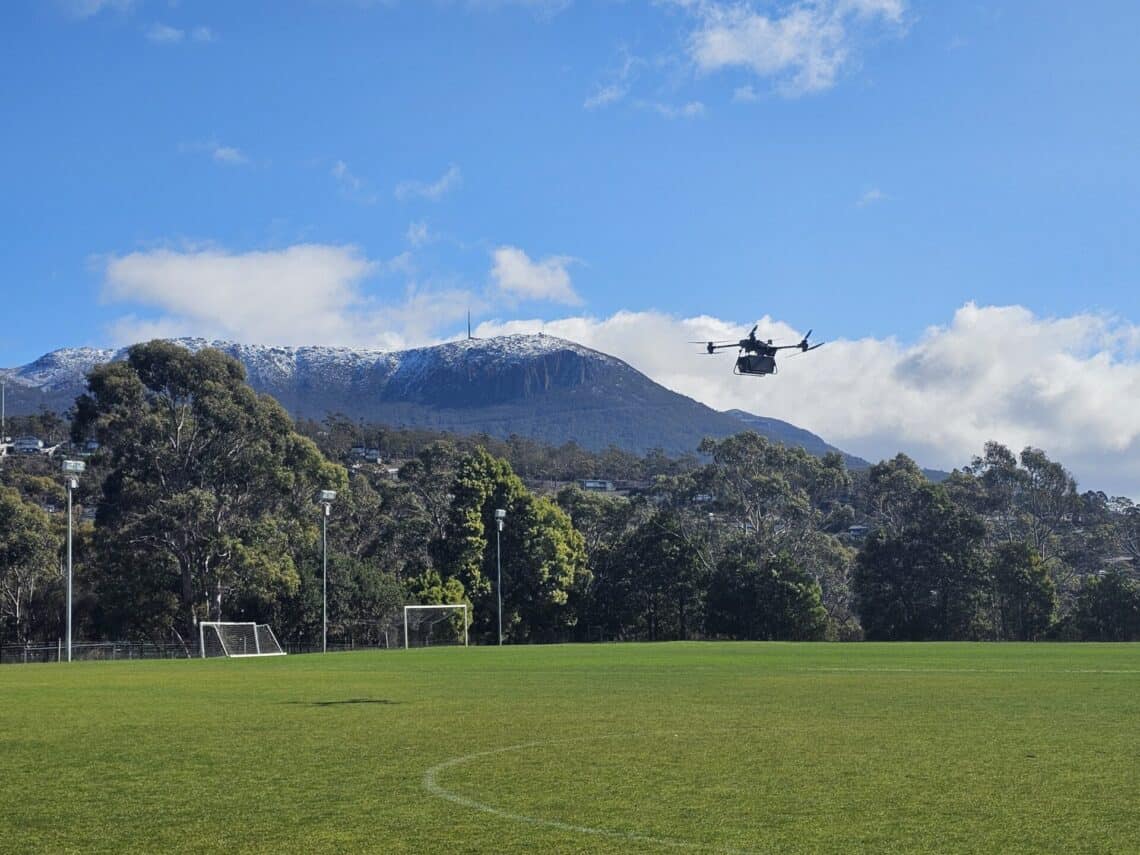
Uncrewed Aviation Australia, the training and operations arm of Surf Life Saving Queensland, has reached a major milestone: our first Beyond Visual Line of Sight (BVLOS) approval from the Civil Aviation Safety Authority (CASA).
For our team, it's a foundational step toward integrating BVLOS operations into our SharkSmart Drone Patrols and broader emergency response work. But it's also a signal worth paying attention to if you're a drone pilot, a licensed RePL holder, or someone considering a career with drones, because BVLOS is where the industry is heading, and the pilots and organisations who build that capability early will be the ones leading it.
Here's what BVLOS approval actually means, why it matters for your career, and how you can start building toward it.

What Is BVLOS and Why Does It Matter?
Most commercial drone operations in Australia are flown Visual Line of Sight (VLOS), meaning the remote pilot or a visual observer must be able to see the aircraft at all times. It's the standard, safe starting point for almost every RPAS operation, but it comes with a hard limit: coverage is capped by how far a human eye can see, not by what the drone or the airspace can actually support.
Beyond Visual Line of Sight (BVLOS) operations remove that constraint. A CASA BVLOS approval allows a remote pilot to fly an aircraft well beyond what an observer could visually track, opening the door to:
- Longer-range search and coastal surveillance
- Faster, wider-area emergency response coverage
- Infrastructure and asset inspection over large sites
- Agricultural and environmental monitoring at scale
- Drones operated more like true aviation assets than line-of-sight tools
It's one of the most technically demanding and tightly regulated approvals CASA grants, requiring a proven safety case, detailed risk assessment, and demonstrated operational maturity. That's exactly why it's rare and why the skills behind it are in growing demand.
How We Got Here
Securing our BVLOS approval didn't happen overnight. It was the result of a sustained application and evidence process, led by our operations team, working through the safety case, risk modelling and operational documentation CASA requires before granting expanded operations.
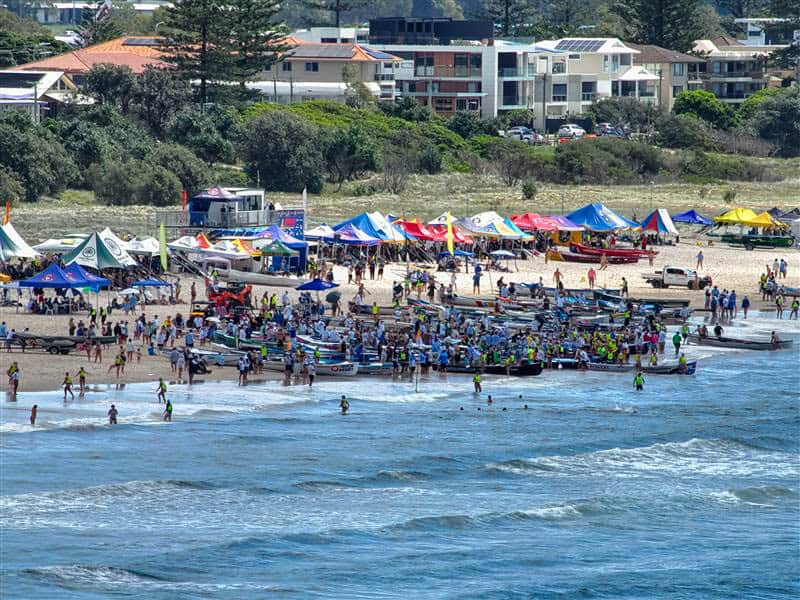
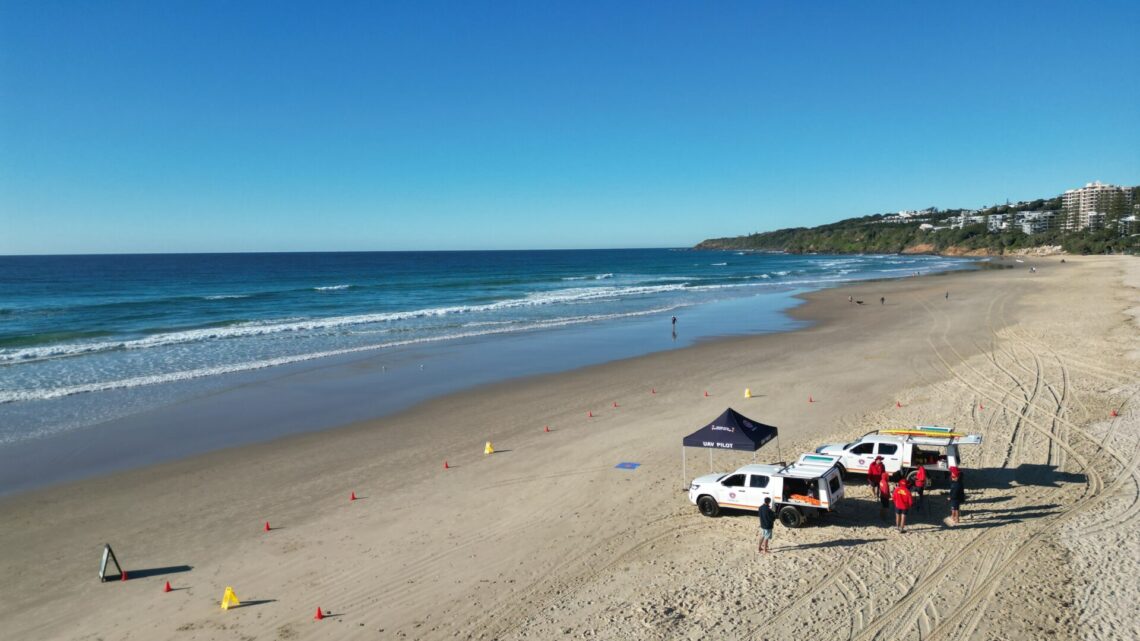
Alongside that, our team spent three days in Search and Rescue training with the Sunshine Coast Lifeguard team and the Westpac Lifesaver Rescue Helicopter Service, running through coordinated scenarios that tested how drones, lifeguards and crewed aviation operate together in a live search. It's this combination, regulatory capability plus real operational currency, that defines where uncrewed aviation in emergency services is headed.
Why This Matters If You're Building a Drone Career
BVLOS isn't just an operational milestone for us, it's a preview of where the whole industry is going. As CASA continues to open pathways for expanded operations, demand is growing fast for pilots who hold more than a basic RePL: people trained in advanced risk assessment, complex airspace management, and beyond-line-of-sight procedures.
If you're a licensed drone pilot looking to move beyond entry-level VLOS work, or a professional considering uncrewed aviation as a career path, this is the direction to be building toward. The organisations doing this work, emergency services, infrastructure, agriculture, resources, are increasingly looking for pilots who understand advanced operations, not just basic flight.
Build Toward BVLOS: Train With Us
We don't just talk about advanced uncrewed aviation capability, we operate it. Our courses are built and taught by the same team running real BVLOS applications, emergency response drone operations, and SharkSmart Drone Patrols across Queensland.
Whether you're starting with your Remote Pilot Licence (RePL) or looking to move into advanced and beyond visual line of sight operations, our training pathways are designed to take you from foundational certification through to the kind of operational capability that opens doors in emergency services, government and commercial industry roles.
Ready to expand your capabilities? Explore our RPAS training courses and find the pathway that fits where you want your drone career to go.