Most people don’t buy a drone because they dream of inspecting powerlines or surveying drought-affected farmland. They buy one because they love the thrill of flying and the ability to capture a perspective—literally and figuratively—that few others ever see.
But what many hobbyists eventually realise is that their drone is more than just a weekend toy. It is a sophisticated data-collection tool. As the drone industry in Australia continues to expand, with a market projected to grow significantly through 2030, the question shifting from "Can I fly this?" to "Can I actually make money with this?" has become a common career pivot for thousands of Australians.
If you are wondering, "Is getting a commercial drone licence worth it?", the short answer is: it depends entirely on your ambition. If you want to move beyond basic aerial photography and into high-value, professional sectors, it isn’t just worth it, it’s essential.
Beyond the Lens: Where Commercial Drone Jobs Are Hiding
While many beginners start with real estate photography, that represents only a fraction of the commercial drone jobs in Australia. Today, drones are flying sensors used to solve complex problems in almost every major sector.
1. Water Safety & Search and Rescue
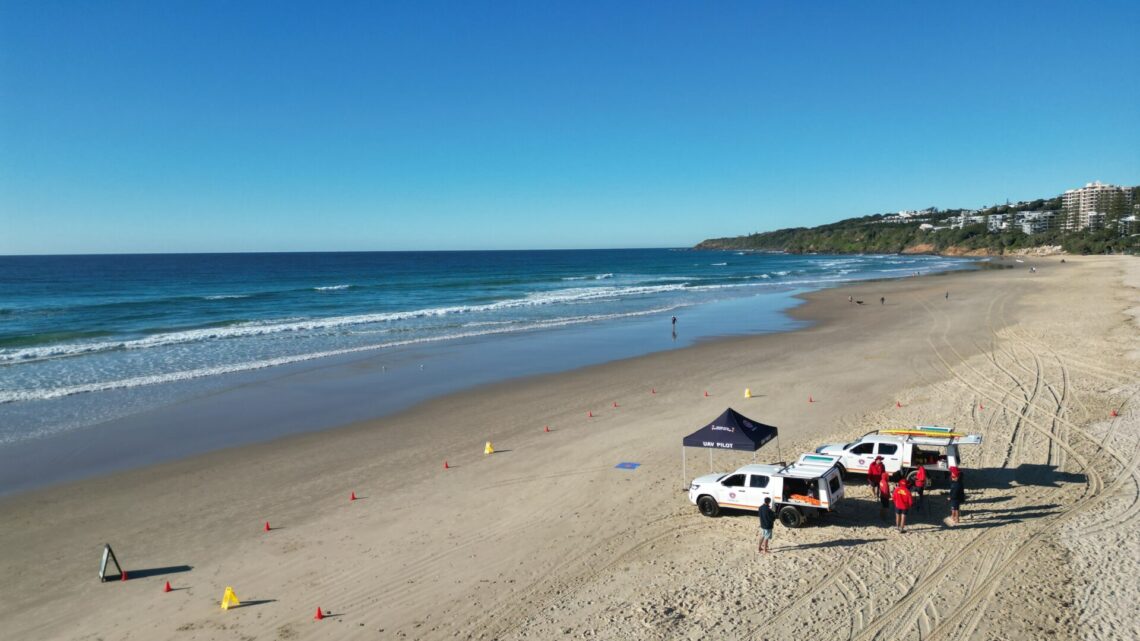
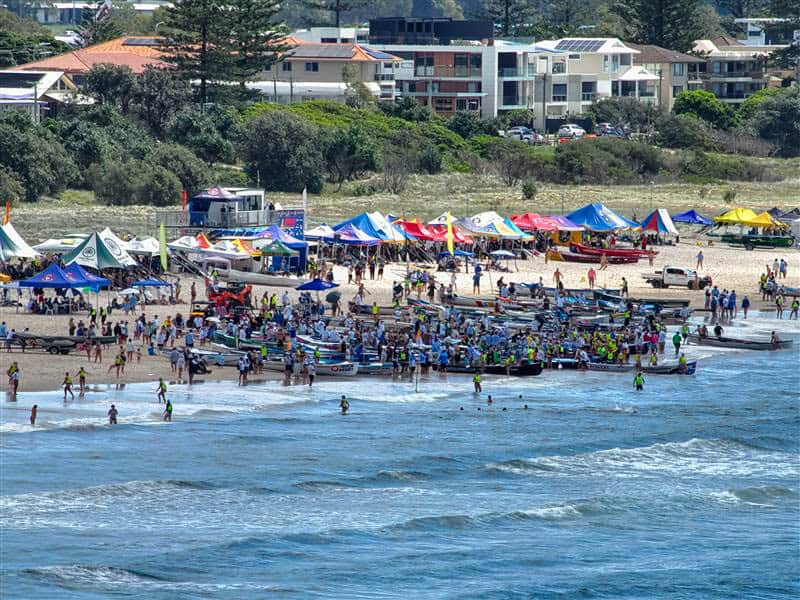
Drones are revolutionising how we protect our coastlines. As a training provider owned by Surf Life Saving Queensland, we see firsthand how commercial drone pilots assist in beach surveillance and shark spotting. Beyond the beach, drones equipped with thermal cameras are becoming vital tools for emergency services to locate missing persons in dense bushland, often covering more ground in minutes than a ground team could in hours.
2. Agriculture: Precision Farming
Agriculture is one of Australia’s fastest-growing drone sectors. Farmers no longer walk every acre to check crop health. Instead, they use drones for:
3. Surveying & Mapping
Traditional surveying can be slow and expensive. Drones allow drone operators to create highly accurate orthomosaics (stitched aerial maps) and 3D terrain models in a fraction of the time. This data is critical for land development, civil engineering, and road construction planning.
4. Construction & Infrastructure
On a modern construction site, a drone is a vital project management tool. Pilots are hired to provide:
5. Mining & Resources
Australia’s mining sector relies heavily on drone technology to improve worker safety and operational efficiency. Drones perform automated inspections of dangerous infrastructure, map open-pit mines, and ensure environmental compliance by monitoring tailings dams and rehabilitation sites.
6. Local Government
Councils across Australia are integrating drones into their daily operations to manage public assets. Uses include monitoring coastal erosion, conducting storm damage assessments after floods, identifying illegal dumping, and managing vegetation in hard-to-reach areas.
7. Environmental Monitoring & Conservation
Drones are silent observers in sensitive habitats. They are used to track wildlife populations, monitor river health, and assess forest regeneration after bushfire events, providing scientists with data without disturbing the environment.
8. Film, Television & Marketing
This is the most visible side of the industry. From tourism commercials to high-end cinematography and real estate, the demand for high-quality aerial footage remains steady. However, it is a highly competitive space that requires a strong portfolio and a creative eye to succeed.
Emerging Opportunities: The Future of Flight
The industry is moving quickly toward automation and beyond-visual-line-of-sight (BVLOS) operations. Emerging career paths include:
So... Can You Actually Make Money With a Drone?
The honest answer is yes, but not by accident.
Success in the drone industry in Australia rarely comes from simply owning a drone. It comes from being a professional who understands safety, data, and regulations. To turn a profit, you need to:
Getting Started: The Path to Professionalism
If you are serious about a career, you need to understand the regulatory landscape set by the Civil Aviation Safety Authority (CASA).
1. RPA Operator Accreditation (The Entry Level, not a license)
For those flying drones between 250g and 2kg commercially, CASA offers an "excluded category" pathway. This requires registering your drone and obtaining an RPA Operator Accreditation. It is a low-cost entry point, but it comes with severe restrictions, you cannot fly at night, over populous areas, or near airports.
2. The Remote Pilot Licence (RePL)
If you want a genuine career, the Remote Pilot Licence (RePL) is the industry standard. It allows you to fly larger, more capable drones (up to 25kg) and operate with greater flexibility. It demonstrates to employers that you have undergone rigorous training in air law, meteorology, and flight safety.
3. The Remote Operator's Certificate (ReOC)
If you intend to start your own drone business, you will eventually need a Remote Operator's Certificate (ReOC). The ReOC is the business-level certification that allows you to operate beyond standard limits and provides the professional credibility required by large corporate clients.
Your Career in the Skies Starts Here
The "drone boom" isn't a fad—it’s an infrastructure evolution. As businesses continue to trade manual, dangerous tasks for safer, data-driven aerial alternatives, the demand for skilled commercial drone pilots will only increase.
If you are ready to stop playing and start working, the first step is professional training. At Uncrewed Aviation Australia, we bridge the gap between hobbyist and professional. We don’t just teach you how to fly; we teach you how to operate safely, efficiently, and profitably in the real world.
Are you ready to elevate your career? Contact Uncrewed Aviation Australia today to speak with our team about which training pathway is right for your goals.
Disclaimer: This information is for educational purposes and reflects the regulatory environment in Australia as of 2026. Always check casa.gov.au for the most current rules before flying.