In our eyes at Uncrewed Aviation Australia, staying current isn’t optional, it’s essential. The UAV space in Australia evolves quickly, aircraft evolve even faster, and regulatory frameworks continue to adapt alongside new technology.
Recently, our training team undertook two focused professional development days designed to strengthen our operational capability and ensure our instructors remain at the forefront of industry standards:
- A hands-on training day with the DJI Agras T100
- Advanced operations training with VTOL aircraft, including EVLOS procedures, using the Arace Griffin and C-Astral SQA eVTOL
These weren’t demonstration days. They were structured, skills-focused development sessions designed to ensure our trainers remain licensed, competent, and operationally sharp across emerging aircraft platforms and flight categories.
Here’s what we worked on, and why it matters.

Agricultural Capability with the DJI Agras T100
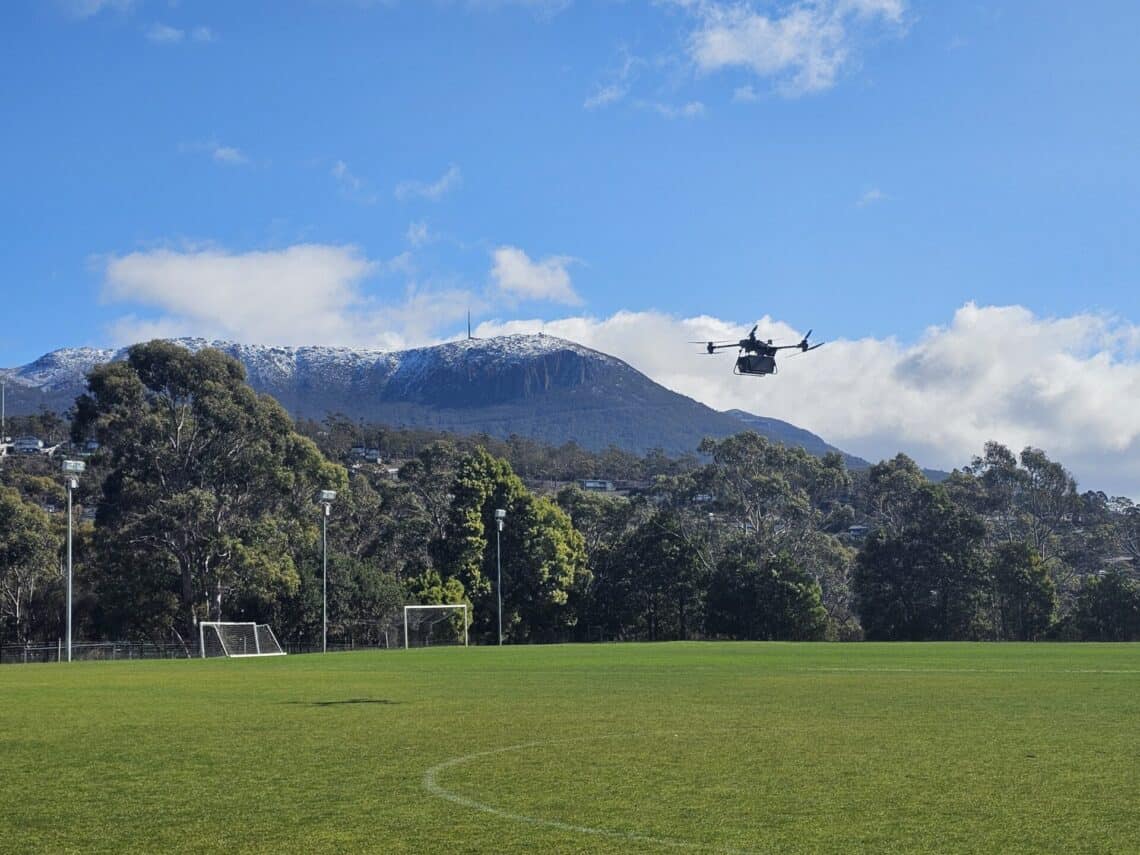
The DJI Agras T100 represents the next generation of heavy-lift agricultural RPAS platforms. Built for large-scale spraying, spreading, and precision application, aircraft in this category are dramatically expanding what drones can achieve across Australia’s agricultural sector and beyond.
During our professional development session, our trainers focused on:
- System configuration and calibration
- Payload management and liquid dispersal systems
- Flight planning for agricultural missions
- Safety considerations for heavy-lift operations
- Understanding regulatory requirements for larger aircraft categories
Why is this important?
Agricultural drones sit in a very different operational space to standard multirotors. They involve:
- Higher take-off weights
- Chemical handling procedures
- Rural and large-area flight planning
- Increased safety management and documentation
As our Academy delivers training up to 150kg Medium Category Type Rating licensing, it’s critical that our instructors maintain direct, current experience on platforms like the T100. Technology evolves quickly and training must reflect the aircraft students will actually operate in the field.
With Australia’s agricultural sector increasingly turning to RPAS for efficiency, sustainability, and cost-effectiveness, ensuring our trainers are confident and current on these systems allows us to deliver real-world, relevant instruction.

VTOL & EVLOS – Expanding Operational Reach
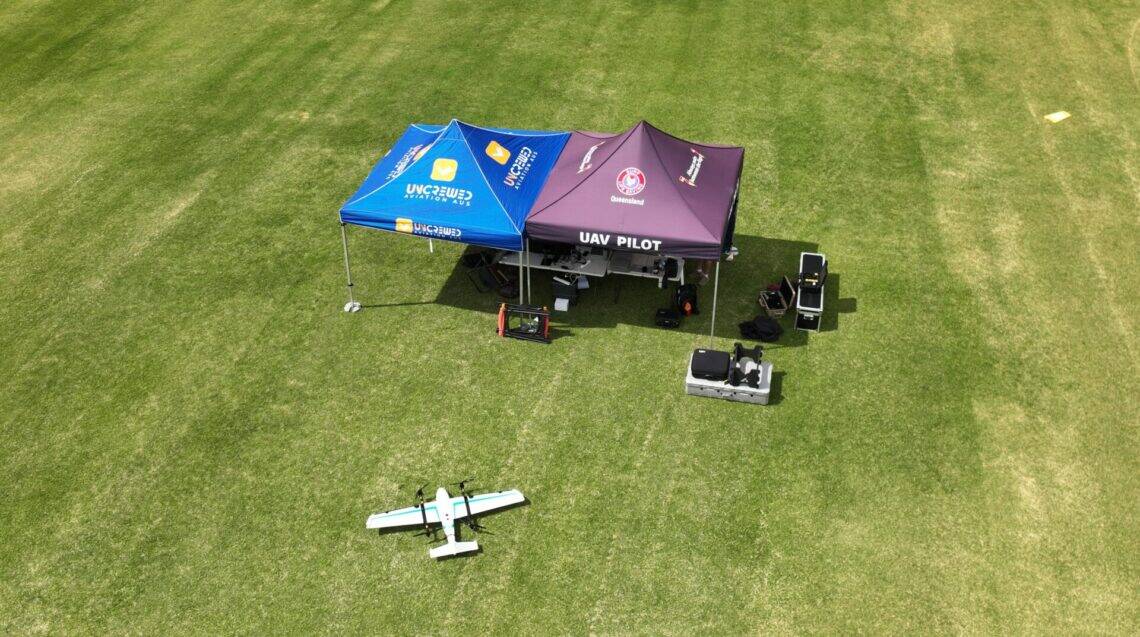
Our second professional development week focused on VTOL operations and Extended Visual Line of Sight (EVLOS) procedures using two advanced aircraft platforms:
Both aircraft represent a major step forward in fixed-wing drone capability.
What Is VTOL?
VTOL (Vertical Take-Off and Landing) aircraft combine the endurance and range of fixed-wing drones with the flexibility of multirotor launch and recovery.
This means:
- No runway required
- Rapid deployment capability
- Long-range mapping and surveillance
- Efficient battery use for extended missions
For emergency response, environmental monitoring, coastline surveillance, and large-area search operations, VTOL aircraft significantly extend operational reach compared to traditional multirotors.
Introducing EVLOS in VTOL Operations
During this session, we conducted EVLOS (Extended Visual Line of Sight) operations with our VTOL platforms.
EVLOS allows a pilot to extend operations beyond their immediate visual line of sight by using trained observers positioned strategically along the flight path. It bridges the gap between standard VLOS and full BVLOS operations, providing:
- Increased operational range
- Maintained visual awareness
- Enhanced safety through coordinated observation
- Expanded mission capability within regulatory frameworks
For our trainers, this meant practising:
- Crew coordination and communication protocols
- Observer placement and responsibility
- Risk assessments and documentation
- Airspace awareness in extended operations
- Emergency procedures specific to fixed-wing aircraft
This type of operational training is critical. VTOL aircraft behave very differently from multirotors particularly during transition phases between vertical and forward flight. Understanding energy management, glide profiles, and recovery procedures is essential for safe operations.

Why These Aircraft Matter for Emergency Response
Both the Griffin and the C-Astral SQA bring significant capability to emergency and public safety operations.
Their strengths include:
- Long endurance flight
- Large area mapping and surveillance
- Rapid coastal deployment
- Monitoring of disaster zones or floodplains
- Supporting search and rescue over extended terrain
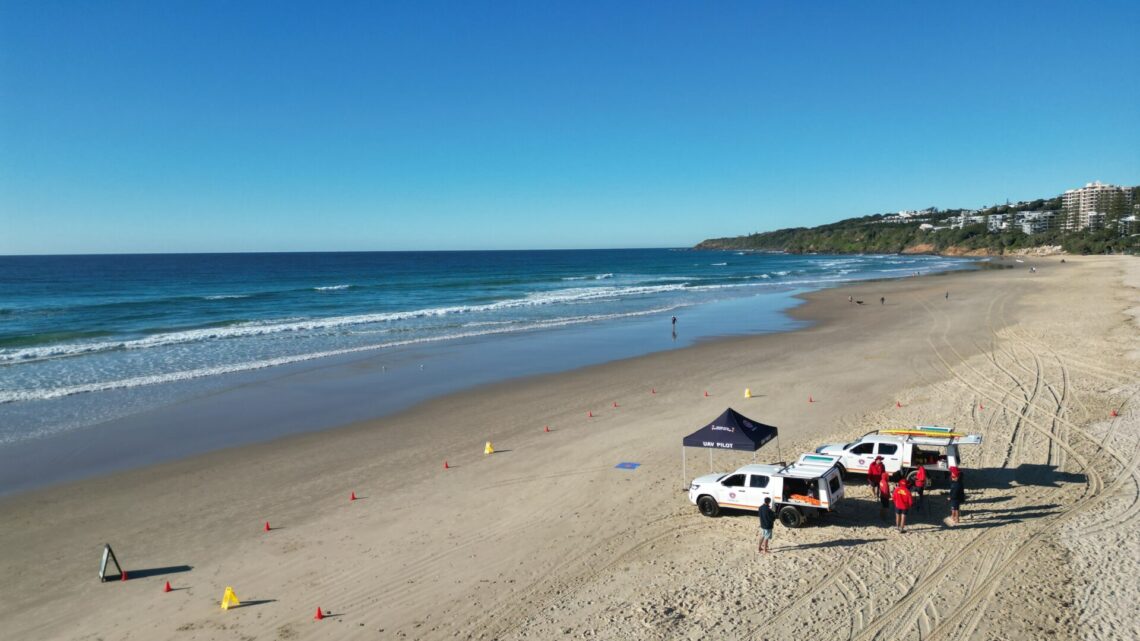
For organisations involved in emergency response, including Surf Lifesaving Queensland, councils, and disaster management teams, VTOL aircraft provide scalable, efficient aerial coverage.
As our Academy continues to grow its involvement in public safety aviation, it’s essential our training staff maintain hands-on capability with the aircraft that are shaping the future of emergency drone operations.
Keeping Trainers Licensed, Current and Operationally Ready
In aviation, instructor currency is non-negotiable.
It’s not enough to have once flown a system. Trainers must:
- Maintain licensing compliance
- Stay up to date with CASA regulatory developments
- Understand evolving aircraft capabilities
- Practise real-world operational scenarios
- Refine crew coordination and risk management
Professional development days like these ensure our training team remains:
- Technically competent
- Operationally confident
- Legally compliant
- Industry aligned
This directly benefits our students. When trainees walk into one of our courses, whether it’s a RePL, Medium Type endorsement, or advanced operations program, they are learning from instructors who are actively operating at the leading edge of the sector.

What This Means for Our Students
Investing in Capability for the Future
The RPAS industry is evolving rapidly. We are seeing:
- Growth in agricultural automation
- Increased adoption of VTOL platforms
- Expanded use in emergency response
- Greater demand for extended operational approvals
- More complex aircraft categories entering the market
For us, staying ahead means investing in our people first.
By dedicating time to structured professional development across heavy-lift agricultural systems, VTOL platforms, and EVLOS operations we ensure our Academy continues to lead in:
- Public safety aviation
- Medium Category drone training
- Advanced flight operations
- Real-world, mission-ready instruction
- Regulatory Services
These sessions are more than skill refreshers. They’re part of our long-term commitment to building a highly capable, future-focused training organisation.
For current and future students, this means:
- Training that reflects real operational environments
- Exposure to the latest aircraft platforms
- Instructors who understand advanced mission planning
- Up-to-date regulatory knowledge
- Confidence that your qualification is backed by industry-active trainers
As drone technology continues to reshape agriculture, emergency response, and large-area surveillance, our Academy remains committed to evolving alongside it.
Because in aviation, especially in public safety and emergency operations, capability, currency, and compliance matter.
And we take that seriously.