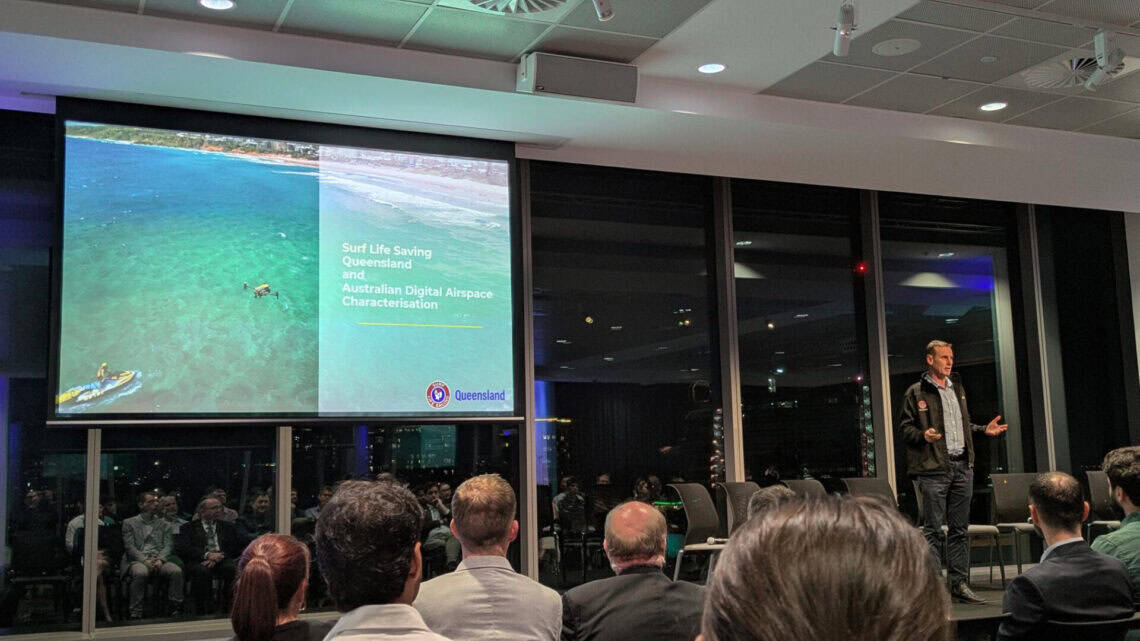
This month, we joined industry leaders, innovators, and regulators at the Australian Digital Airspace Characterisation Forum (ADAC), hosted at QUT. The event brought together the brightest minds in aviation to talk about the future of airspace integration.
For us, it was a chance to share the story of Surf Life Saving Queensland’s UAV program — from how it started to where it’s headed — and the real-world impact it’s having on our coastline, as drones become an essential part of airspace integration.
Here is some insight to what Head of Uncrewed Aviation, Damien Boyer, had to say at the event:

So, Imagine This:
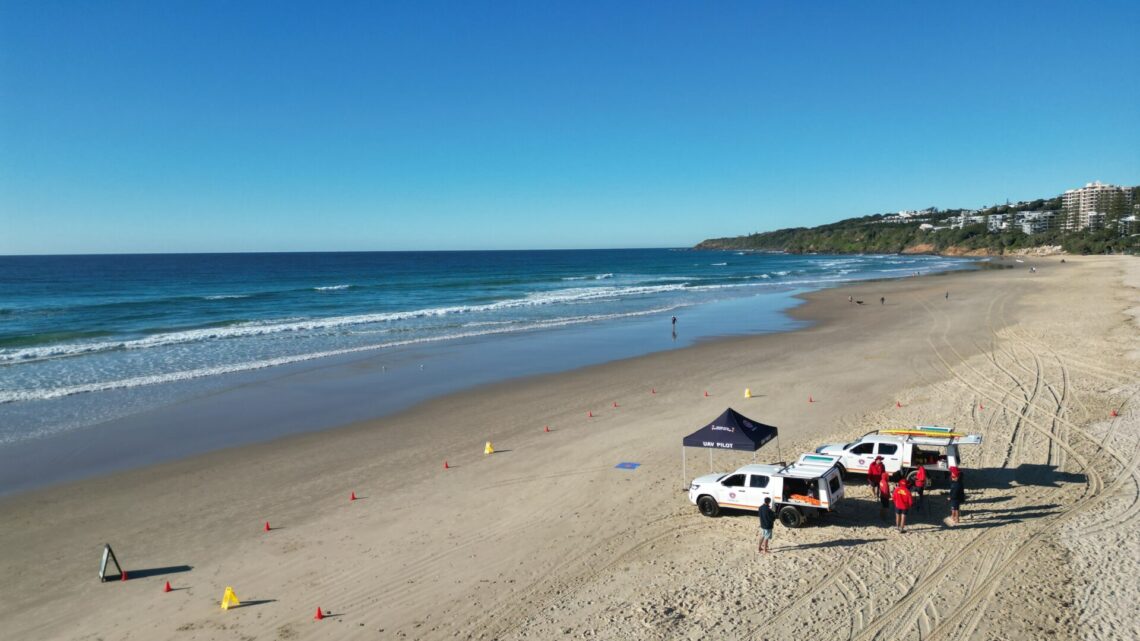
It’s just after sunrise in Noosa. The water is glassy, the sky is clear, and lifesavers are setting up for the day. One of our UAV pilots launches a drone into the soft morning light. Within minutes, the feed shows a dark shadow gliding beneath the surface — a shark, cruising just offshore. A quick radio call later, the beach is cleared, swimmers are safe, and the shark continues on its way, unaware of the quiet technology that just kept people out of harm’s way.
Moments like this are why Surf Life Saving Queensland (SLSQ) has built one of the most mature public safety drone programs in Australia.

Flying Safer, Smarter, and Further
Over the years, our team has clocked up over 30,000 missions — each one in some of the busiest and most challenging coastal airspace in the country. Our work spans three main operational streams:

Taking Operations to the Next Level
Right now we are scaling in three major ways:

The Reality of Flying Over Our Beaches
Coastal flying sounds idyllic, but here’s the truth: it’s a constant balancing act.
We’re sharing the skies with rescue helicopters, low-flying fixed-wing aircraft, recreational drones, paragliders, and even bird life that doesn’t always appreciate a drone in its territory.
Add in rapidly changing weather conditions and the hustle and bustle of packed beaches, and you’ve got a high-stakes environment every single day.
To manage that risk, we rely on:

What's next in Safety Innovation
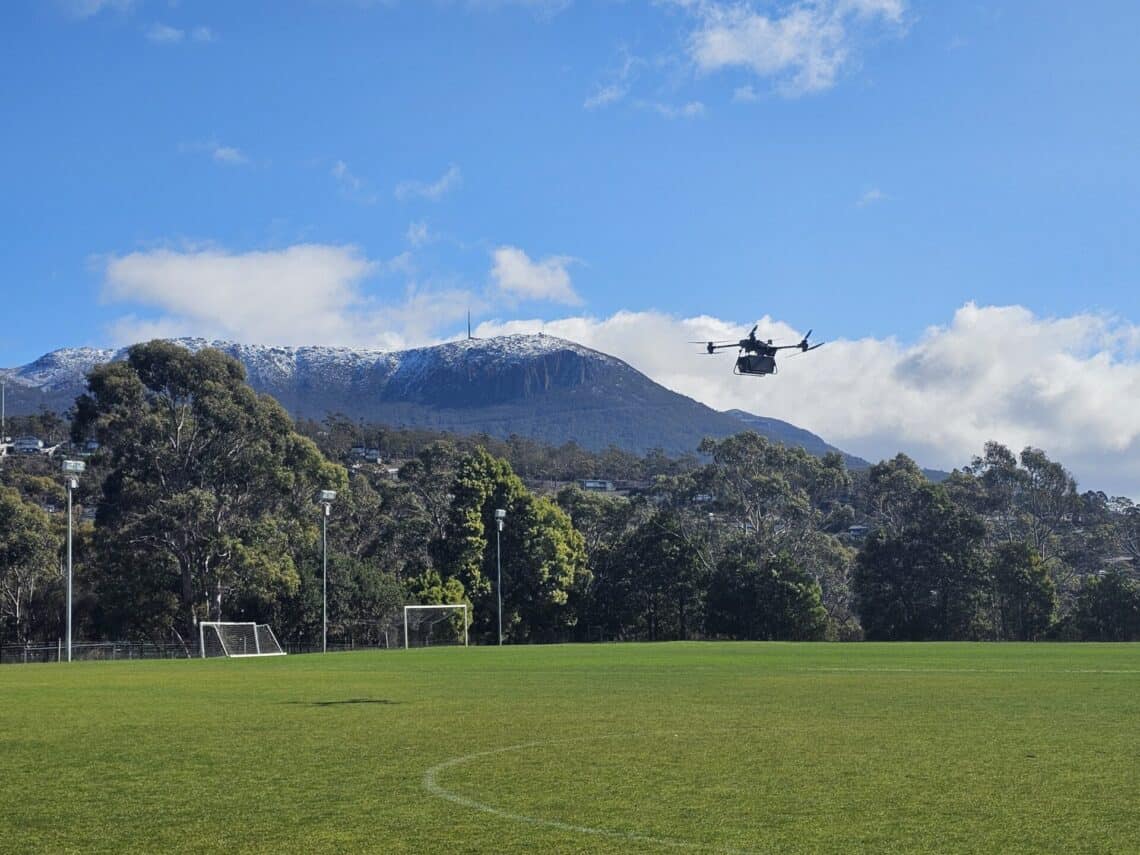
We’re excited about integrating ADS-B receivers to improve our awareness of manned aircraft in the area. We’re also preparing for Remote ID capabilities, which will help support extended and BVLOS operations — including trials of VTOL drones that could extend our reach and efficiency even further.

Lessons From the Sky
If there's one thing we've learned, it's this:

Conclusion
As our skies get busier, the work we’re doing today is shaping the way drones will be used in public safety tomorrow. And whether it’s spotting a shark before it gets too close, helping a rescue team find someone in trouble, or making sure our airspace stays safe for everyone, one thing is certain — this is just the beginning.