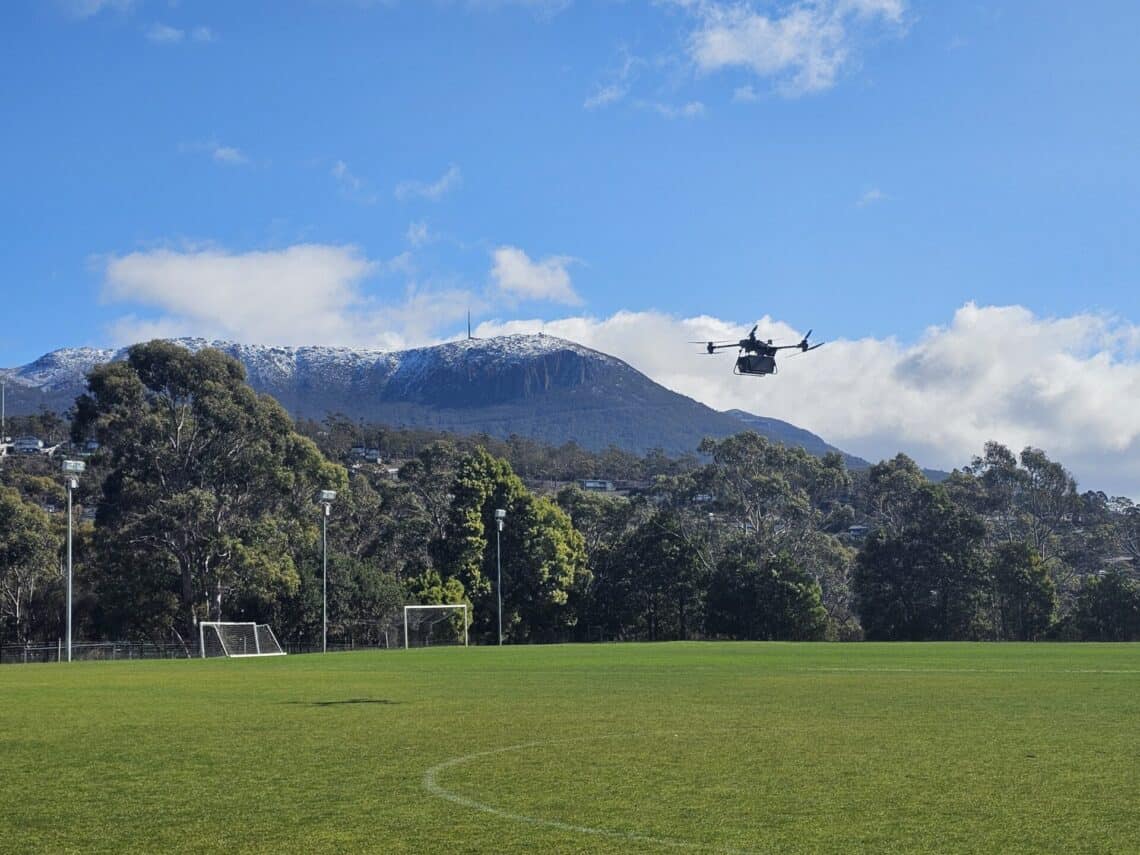
A drone licence opens the door to far more than social media footage and aerial photography. In Australia, licensed drone pilots are working across industries that value safety, accuracy and real‑world outcomes.
Here’s what a drone licence can realistically lead to in 2026.
Entry-Level & Early Career Roles
These roles suit newly licensed pilots building experience:
Aerial photography and videography
Real estate, construction progress shots, tourism and marketing content.
Mapping and surveying support
Orthomosaics, basic photogrammetry and site monitoring under senior operators.
Inspections
Roofing, solar, telecoms and basic infrastructure inspections.

Agriculture & Evironmental Roles
Australia’s ag sector is one of the fastest‑growing drone employers.
Agricultural drone pilot
Crop spraying, seeding, spreading and monitoring.
Farm mapping and analysis
NDVI, crop health and water management.
Environmental monitoring
Land rehabilitation, wildlife tracking and conservation support.

Government, Council & Public Safety Work
Licensed pilots with the right training are increasingly working with:
- Local councils
- State government departments
- Emergency response organisations
Roles include:
- Infrastructure inspections
- Disaster assessment
- Fire Ant eradication
- Search and rescue support
- Coastal and marine monitoring
- and more
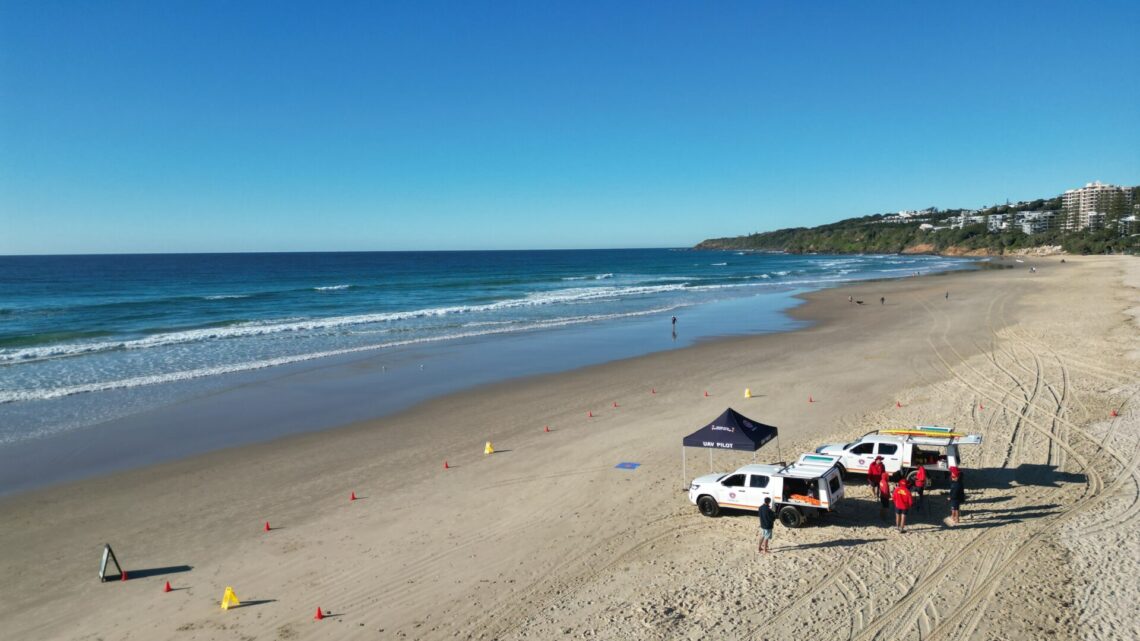
Programs like Surf Life Saving Queensland’s drone operations show how aviation skills directly support public safety outcomes.

Specialist & Advanced Roles
With experience and upskilling, pilots move into:
Heavy RPAS and agricultural operations
Higher responsibility, higher value work.
Emergency and lifesaving drone operations
Shark detection, flood response and situational awareness.
Training and assessment roles
Instructing the next generation of pilots.
Enterprise and industrial operations
Utilities, mining, ports and large‑scale infrastructure.
What Employers Are Actually Looking For
A licence is the starting point — not the job guarantee.
Employers value:
- Strong safety mindset
- Operational experience
- Industry‑specific training
- Communication and teamwork
- Understanding of CASA rules in practice
This is why structured training, mentoring and real‑world exposure matter just as much as flight hours.

Final Thought
A drone licence in Australia is a powerful tool. What you do with it depends on how far you’re willing to train, specialise and grow. Those who succeed treat drones as a professional aviation pathway, not a hobby with a licence attached.
The industry is moving fast, and the pilots who keep learning are the ones who stay in demand.