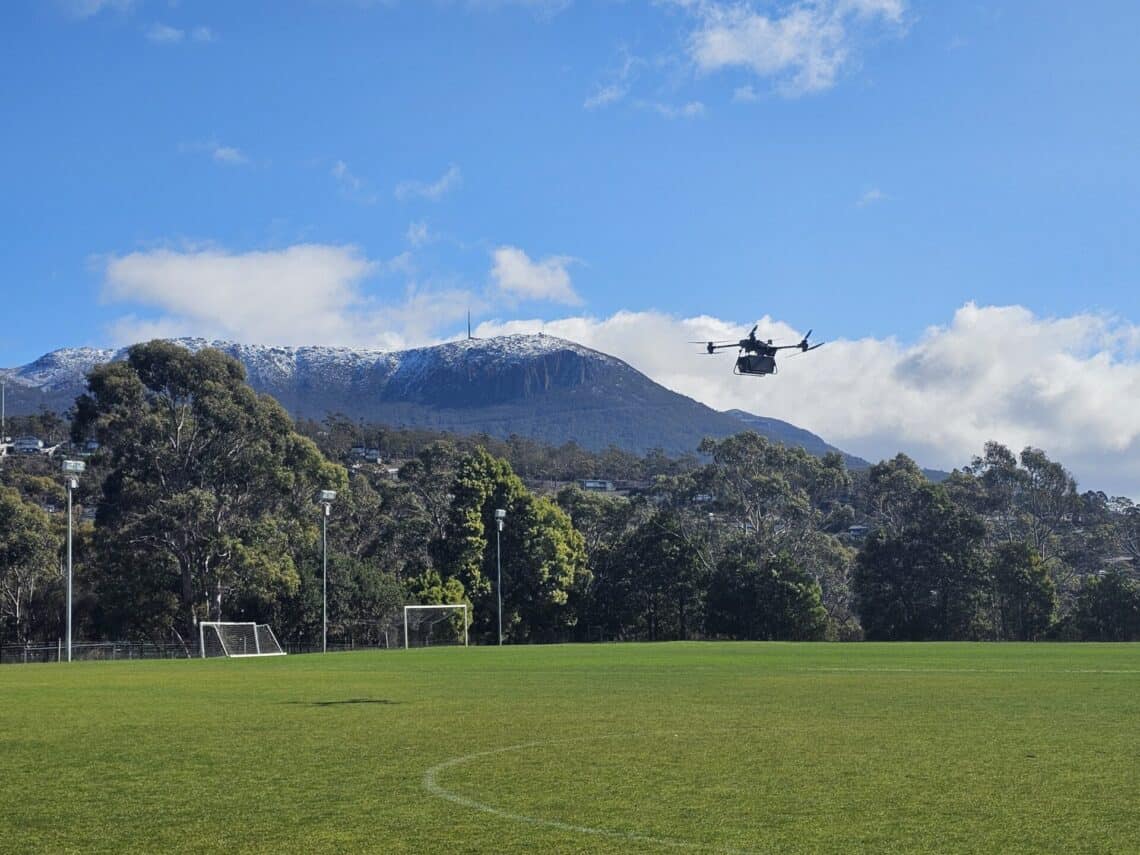
In recent years, local councils across Australia have increasingly integrated drone technology into their operations. By 2025, drones have become indispensable tools for enhancing efficiency, safety, and community engagement in various municipal activities.
Why Councils Are Embracing Drones
The adoption of drones by local councils is driven by several key benefits:
- Cost Efficiency: Drones reduce the need for expensive equipment and labour-intensive processes.
- Enhanced Data Collection: They provide high-resolution imagery and real-time data, facilitating informed decision-making.
- Improved Safety: Drones can access hazardous or hard-to-reach areas, minimizing risks to council workers.
Diverse Applications Across the Country
Training and Compliance: Building In-House Capability
As drone operations become more embedded in council workflows, the importance of proper training and regulatory compliance cannot be overstated. Local councils are not only investing in drone hardware but also in upskilling some staff to operate these aircraft safely, efficiently, and within CASA (Civil Aviation Safety Authority) guidelines.
To fly drones for commercial operations—whether for asset inspections, environmental surveys, or emergency response—staff are typically required to hold a Remote Pilot Licence (RePL) and operate under a Remote Operator’s Certificate (ReOC). These certifications ensure that pilots understand airspace rules, risk assessments, emergency procedures, and technical flight skills.
In 2025, drone teams will be reducing reliance on external contractors and giving the flexibility to respond faster to operational needs. This shift is leading to increased demand for:
- RePL training for staff using multirotor or fixed-wing aircraft
- Extended visual line of sight (EVLOS) and beyond visual line of sight (BVLOS) endorsements
- Ongoing upskilling in new drone technology and software
- Refresher training to keep up with evolving regulations and best practices
By partnering with accredited training providers like Uncrewed Aviation Australia, councils can ensure their teams are fully compliant and confident in using drones across various departments—from engineering and environmental services to planning and emergency response.
Future Outlook
The future of drone integration in local governance looks promising, with advancements in artificial intelligence and real-time data analytics poised to enhance drone capabilities further. Anticipated developments include increased inter-council collaboration, data sharing, and a more significant role for drones in smart city initiatives and sustainability projects.
Conclusion
The innovative use of drones across Australia in 2025 exemplifies a commitment to leveraging technology for improved service delivery and community well-being. From infrastructure inspection to environmental monitoring and disaster response, drones have proven to be versatile assets in municipal operations. Councils yet to adopt this technology are encouraged to explore its potential benefits, ensuring they remain at the forefront of efficient and effective local governance.