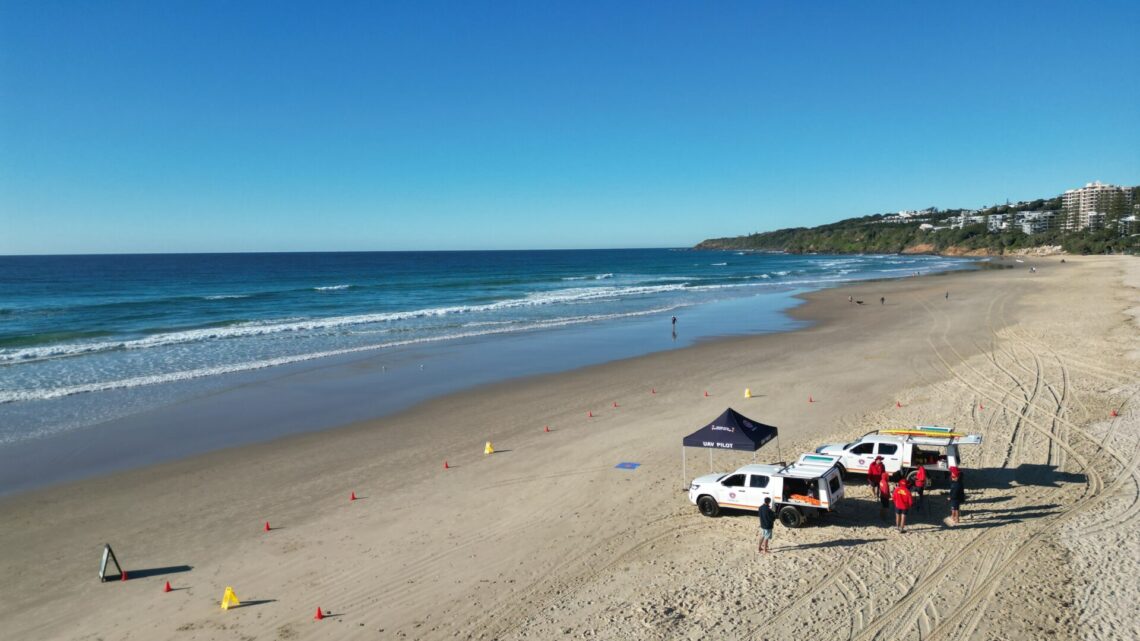
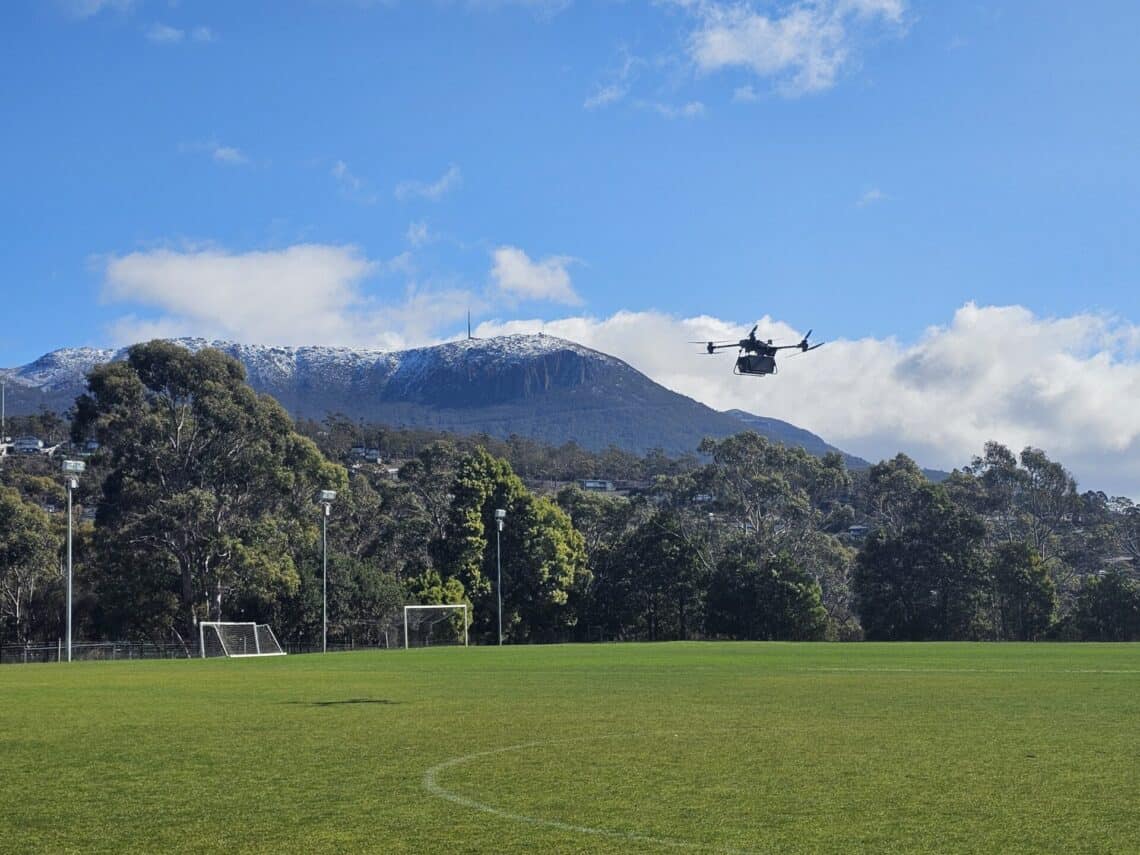
The drone industry in Australia has experienced rapid growth over the last decade, and with this expansion, new technologies and capabilities are emerging. One of the most exciting developments is the rise of BVLOS (Beyond Visual Line of Sight) operations. BVLOS allows drones to fly beyond the operator's line of sight, enabling long-range missions in various sectors such as search and rescue, infrastructure inspections, and environmental monitoring. This shift is not only transforming industries but also reshaping the landscape of search and rescue drone training in Australia.
As drone operator jobs continue to evolve, the demand for highly skilled pilots proficient in BVLOS operations is growing. To meet this demand, drone training courses are incorporating advanced skills and new technologies to ensure pilots are ready to safely operate drones in these more complex scenarios. In this blog post, we will explore how the rise of BVLOS operations is influencing search and rescue drone training in Australia and why it’s essential for aspiring pilots to stay ahead of these changes.
1. Expanded Use Cases in Critical Industries
BVLOS operations are significantly expanding the range of industries that can benefit from drone technology. By allowing drones to travel long distances without the need for the operator to maintain visual contact, BVLOS opens up new possibilities for missions that were previously impractical or impossible with traditional line-of-sight limitations.
Key Industry Applications:

How BVLOS Benefits Search and Rescue:
- Expanded Coverage: Drones can access hard-to-reach areas, such as mountains, forests, and flood zones, in a fraction of the time it would take traditional rescue teams to reach the same locations.
- Real-Time Data: Equipped with sensors such as thermal cameras, drones can send real-time data back to the rescue team, allowing them to quickly identify missing persons or assess disaster zones. This can be particularly valuable in scenarios where every minute counts.
- Reduced Risk: In dangerous or unstable environments, BVLOS drones reduce the need for human personnel to enter risky areas, ensuring that search and rescue teams can act quickly while minimising the danger to themselves.
Training for search and rescue drone operations focuses on using drones in these critical, life-saving applications. BVLOS capabilities greatly enhance the effectiveness of these missions, making drones an indispensable tool in emergency response scenarios.
These expanding use cases highlight the growing need for specialised training in BVLOS operations. Drones are no longer limited to short-range flights or basic tasks; they are becoming integral tools in industries that rely on long-distance and high-precision operations.
2. Advanced Pilot Training Requirements
To operate drones in BVLOS conditions, pilots must undergo advanced training. Unlike traditional drone operations, where the pilot has direct visual contact with the drone, BVLOS requires an understanding of navigation, airspace management, and situational awareness. This specialised training is vital for ensuring the safety and success of long-range drone missions.
Key Training Areas:
For drone operator jobs that involve BVLOS operations, having advanced knowledge and skills is crucial. Drone training Australia providers are now offering specialised courses to prepare pilots for the technical and regulatory challenges of BVLOS flying.
3. Integration with Emerging Technologies
As BVLOS operations become more common, drones are increasingly integrating with emerging technologies that improve their safety, precision, and reliability. These technologies help mitigate some of the risks associated with flying drones beyond visual line of sight and ensure the operator can manage the mission effectively.
Key Technologies Used in BVLOS Operations:
Training programs are adapting to these technological advancements by incorporating lessons centred around how to use these cutting-edge systems. Aspiring pilots need to understand how to operate these technologies and ensure they are used correctly in high-risk, long-range missions.
4. Adherence to CASA Regulations
As BVLOS operations increase, ensuring compliance with regulatory standards becomes more important than ever. The Civil Aviation Safety Authority (CASA) has set out specific guidelines for BVLOS operations to ensure drones can safely coexist with other aircraft in Australia's airspace. These guidelines cover everything from safety protocols to risk assessments and approvals.
Key CASA Guidelines for BVLOS:
When enrolling in drone training courses, it’s crucial that the program is CASA-approved to ensure it meets these regulatory standards. This is especially true for those looking to obtain a drone licence QLD or other state-specific certifications. Understanding and adhering to CASA regulations is essential for both legal compliance and operational safety.
5. How to Get BVLOS Approval: Steps to Take
For pilots to operate BVLOS, obtaining the appropriate approvals from CASA is mandatory. However, before even applying for BVLOS operations, drone pilots need to complete the foundational requirements that ensure they have the necessary skills and certifications. Here’s a breakdown of the steps you need to take:
Conclusion
The rise of BVLOS operations is a game-changer for the Australian drone industry. From expanding use cases in critical sectors to introducing advanced training requirements and cutting-edge technologies, BVLOS is transforming how drones are used. As this trend continues, search and rescue drone training programs must adapt to ensure pilots are equipped with the knowledge and skills necessary for BVLOS operations.
For aspiring drone pilots, gaining proficiency in BVLOS operations through CASA-approved drone courses will open up a range of exciting career opportunities. Whether you're interested in search and rescue, infrastructure inspections, or environmental monitoring, the future of drone flying in Australia looks brighter than ever.
If you're looking to advance your drone piloting skills, explore drone training courses that specialise in BVLOS operations and prepare yourself for the next generation of drone technologies.