As the drone industry continues to evolve, one technology stands out for its potential to transform various sectors: Vertical Take-off and Landing (VTOL) aircraft. These powered lift drones offer unique advantages over traditional multi-rotor drones, making them an exciting addition to the expanding ecosystem of Remotely Piloted Aircrafts (RPAs). In this blog post, we’ll explore what VTOL and powered lift drones are, how they differ from other types of drones, their applications across industries, and the future of this groundbreaking technology.
Definition
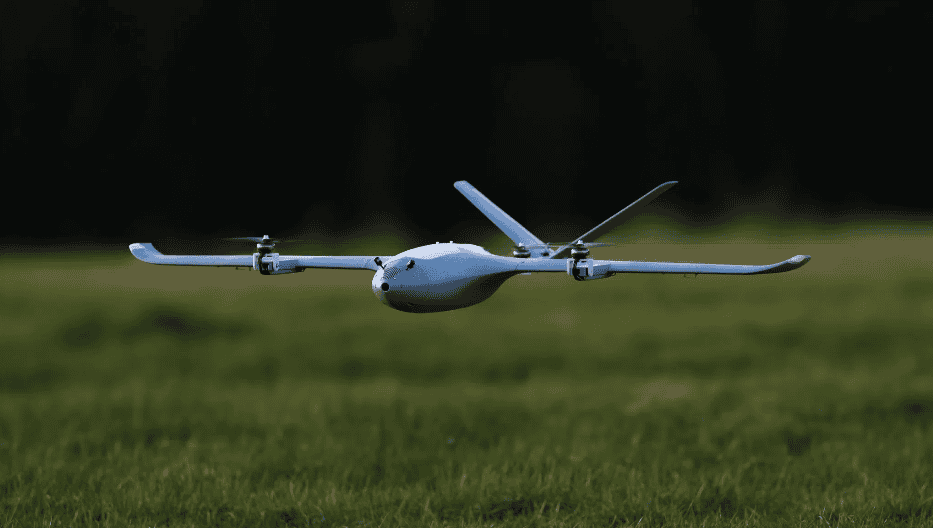
Powered lift drones, also known as VTOL drones, are aircraft that can take off and land vertically, and then transition to flight like a fixed-wing aircraft. This hybrid functionality allows powered lift drones to benefit from the advantages of both drone types: the manoeuvrability of multi-rotors during take-off and landing, and the efficiency and speed of fixed-wing flight during longer journeys.
Benefits of Powered Lift Drones
Powered lift drones have several advantages that make them particularly appealing for various applications:
Differences Between Drone Types:
To better understand where VTOL fits into the drone ecosystem, let’s break down the differences between various types of drones:
Multi-Rotor Drones
Multi-rotor drones utilise multiple rotors for lift and stability. They are known for their agility, ease of use, and ability to hover in place. However, their flight times are generally limited, often ranging from 20 to 30 minutes, due to battery constraints. Multi-rotors are ideal for short-distance tasks like aerial photography, surveying, small package delivery.

VTOL and Powered Lift Drones
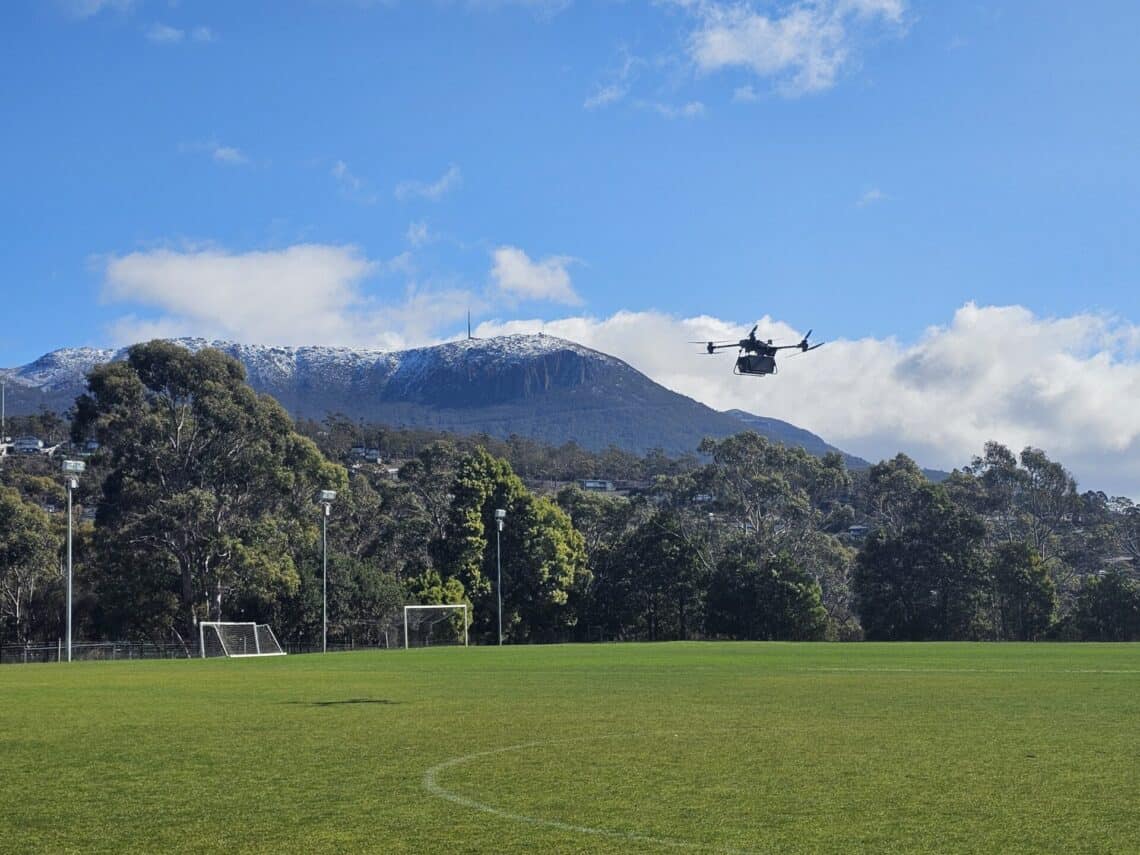
Unlike multi-rotor drones, powered lift drones combine the capabilities of multi-rotors and fixed-wing aircraft. They begin each flight as a multi-rotor, allowing for vertical take-off and landing. Once they reach a certain altitude, they transition to fixed-wing flight, which allows them to cover larger distances more efficiently. This capability extends flight times significantly, making them suitable for tasks that require prolonged operation.

Fixed-Wing Drones
Fixed-wing drones require runways for take-off and landing and are designed for long-distance flight. They are highly efficient and can fly for extended periods, making them excellent for applications like agriculture, surveying, and mapping. However, their inability to operate in confined spaces limits their versatility compared to VTOL and powered lift drones.

Industries Benefiting from VTOL Technology:
VTOL and powered lift drones are increasingly being adopted across various industries due to their unique capabilities. Some of the sectors leveraging this technology include:


The Future of VTOL Technology:
As drone technology continues to advance, VTOL and powered lift systems are expected to play a significant role in shaping the future of aviation. With ongoing developments in battery technology, autonomy, and air traffic management, these drones are poised to become integral to urban air mobility solutions, including passenger and cargo transport.
Moreover, as regulatory frameworks evolve to accommodate new drone technologies, we can anticipate an increase in the availability of VTOL applications across various sectors, making them a vital part of the future drone ecosystem.
See the latest news in Australia, with CASA predicting advanced air mobility (AAM) operations with VTOL RPAs to begin between 2027 and 2029.
Licensing for VTOL Pilots:
To operate powered lift drones, aspiring pilots must obtain a Remote Pilot Licence (RPL) specifically tailored for powered lift operations. This certification ensures that pilots are well-versed in the unique requirements and operational protocols associated with VTOL aircraft. Familiarity with regulations governing drone operations, especially in EVLOS and BVLOS scenarios, is essential, as is an understanding of airspace restrictions, safety protocols, and operational guidelines set by authorities like CASA.

Conclusion
Vertical Take-off and Landing (VTOL) aircraft, particularly powered lift drones, represent a significant advancement in drone technology. Their ability to combine the strengths of multi-rotor and fixed-wing designs makes them ideal for a variety of applications across numerous industries. As the drone ecosystem continues to expand, VTOL technology will undoubtedly play a crucial role in shaping the future of aerial transportation and data collection.
With the right training and certification, aspiring drone pilots can seize the growing job opportunities in this field, contributing to an exciting and transformative era in aviation. Embrace the future of flight with VTOL and powered lift drones, and be part of the revolution that’s changing how we see and interact with our world!