As drone technology continues to advance, so too does the way we train pilots. In Australia, the drone industry is evolving rapidly, with new applications emerging in agriculture, lifesaving, and beyond. Whether you're just starting out or pursuing advanced certifications, staying ahead of the latest trends is key to success. Here are the top drone training trends shaping Australia in 2025.
1. Increased Focus on Beyond Visual Line of Sight (BVLOS) Training
BVLOS operations are becoming more common, particularly in industries such as agriculture, emergency response, and logistics. The ability to fly drones beyond the operator’s direct line of sight opens up exciting possibilities, from large-scale crop monitoring to long-range search and rescue missions.
As regulations evolve, more training programs are incorporating BVLOS certification to ensure pilots are prepared for extended-range operations and the complexities of operating in shared airspace.
2. Integration of AI and Automation in Training
Artificial Intelligence (AI) is playing a larger role in drone operations, from obstacle avoidance to data analysis.
AI-driven drones can autonomously track objects, conduct aerial mapping, and even make split-second flight decisions based on real-time data. Training programs are adapting to this shift by incorporating AI-driven simulations and automated flight training, helping pilots master these emerging technologies. Expect to see courses that not only teach manual flying skills but also how to manage AI-assisted flight operations effectively.
3. Specialised Industry-Specific Training
As drones become essential tools in sectors like agriculture, construction, and environmental monitoring, training programs are tailoring courses to industry needs.
Expect more specialised modules focusing on precision agriculture, infrastructure inspection, and conservation applications. From thermal imaging for wildlife monitoring to multispectral analysis for crop health, pilots who undergo industry-specific training will have a significant advantage in the job market.
4. Growth of Drone Use in Public Safety and Lifesaving
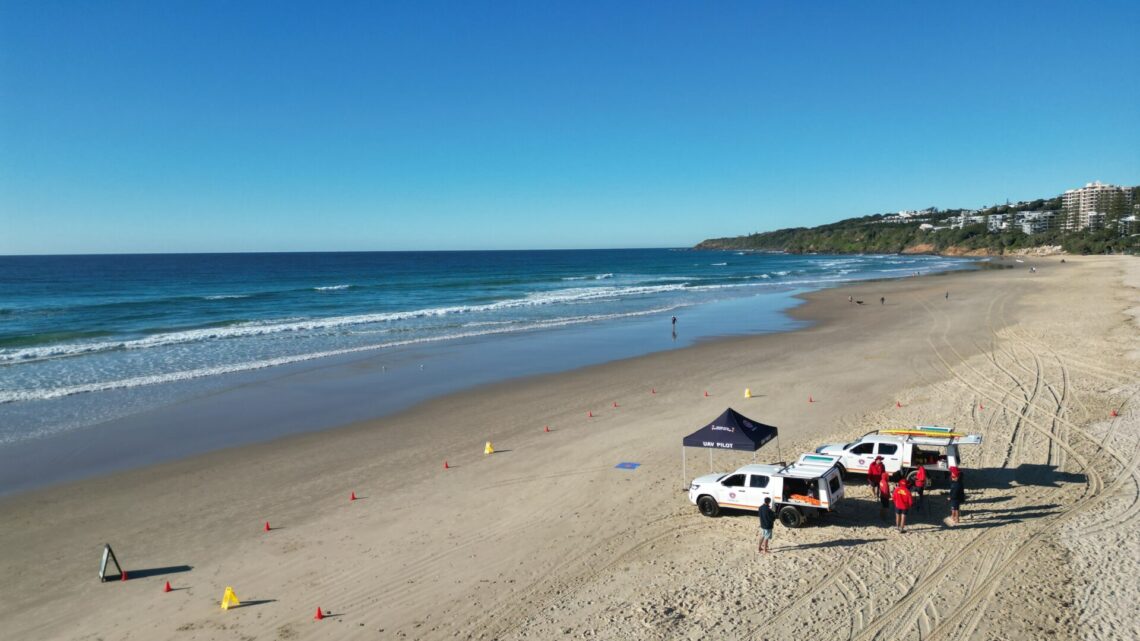
Lifesaving and emergency response teams are increasingly using drones for rapid situational assessment, search and rescue, and shark surveillance. Training programs are adapting by offering training specifically designed for lifesaving applications, ensuring pilots can operate effectively in high-pressure situations.
Drones are now a key part of Surf Life Saving Australia's operations, assisting in beach surveillance, shark detection, and rescues. They offer a faster and more efficient way to monitor vast stretches of coastline, helping lifesavers respond to incidents in record time. Training programs are focusing on preparing pilots to handle real-world lifesaving scenarios, such as deploying flotation devices, monitoring coastal conditions, and coordinating with emergency responders. As drones continue to play a critical role in keeping Australia’s beaches safe, specialised lifesaving drone training is becoming a priority.
5. Hands-on Training with Larger Drones
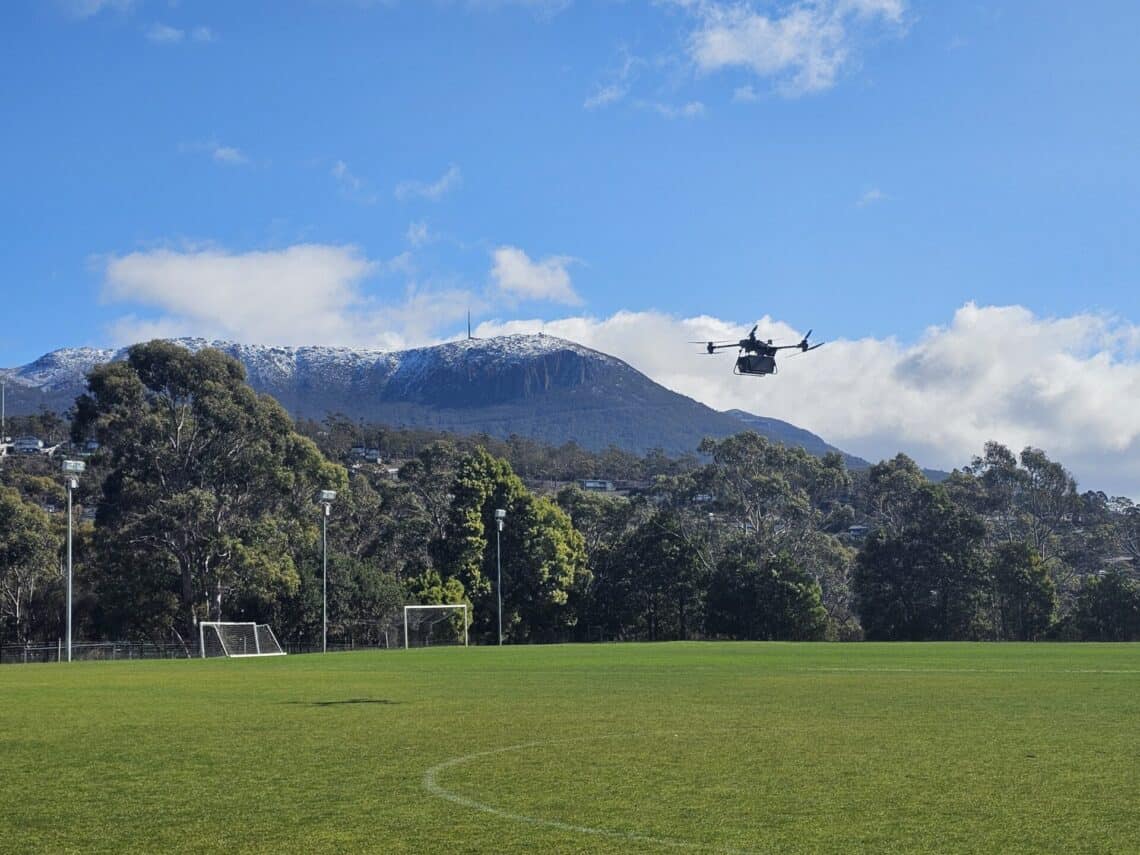
With the growing demand for commercial and agricultural drones up to and beyond 150kg, there is an increased emphasis on practical, hands-on experience with larger UAVs.
Heavy-lift drones are being used for everything from spraying crops to delivering emergency medical supplies in remote areas. Training academies are expanding their offerings to include real-world flight practice with these powerful machines, ensuring pilots gain confidence in handling larger and more complex aircraft.
6. Stronger Focus on Compliance and Safety Regulations
As drone regulations evolve, training programs are placing a stronger emphasis on compliance.
Courses now include comprehensive modules on aviation law, airspace management, and ethical considerations to ensure pilots operate safely and legally. After all, flying a drone isn’t just about skill—it’s about responsibility. Whether you're flying recreationally or commercially, understanding airspace restrictions and safety protocols is crucial. Remember, when you’re licensed to fly in controlled airspace, you’re sharing the skies with manned aircraft, so getting it right matters!
7. Hybrid Learning Models Combining Online and In-Person Training
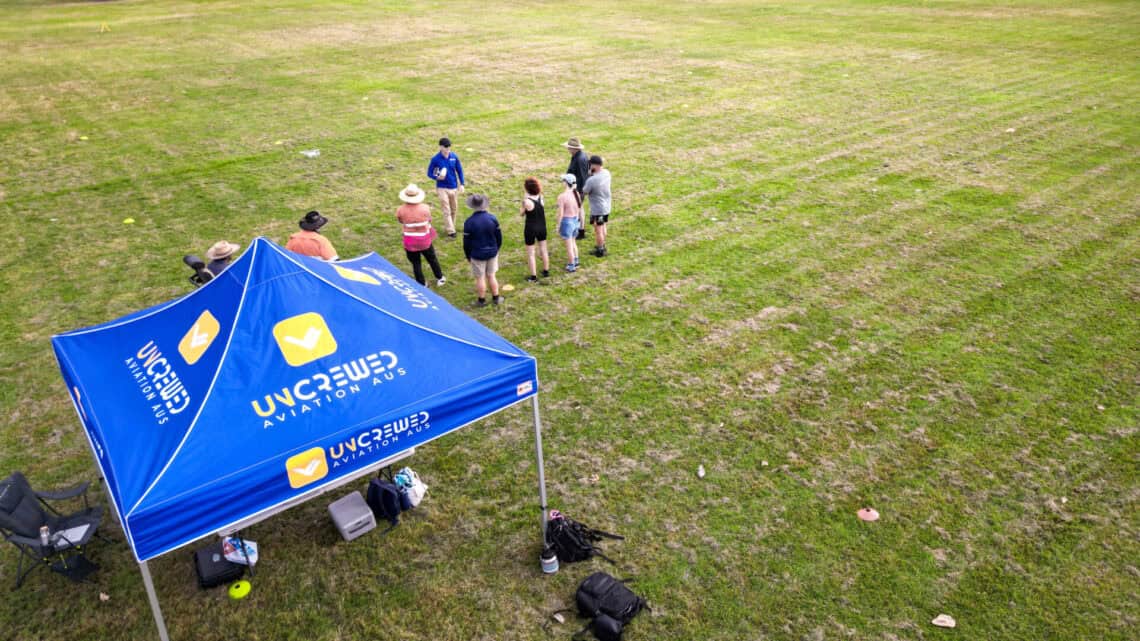
With the advancement of digital learning tools and the understanding of busy lifestyles, many drone academies are shifting to hybrid training models. These combine online theory modules with in-person flight training, providing flexibility while maintaining hands-on experience. The ability to learn theory online at your own pace, Then join in for 15 hours of live online classrooms, a theory exam, followed by practical, in-person flying sessions, allows for a better balance between training and daily commitments.
At Uncrewed Aviation Australia, we’ve designed our hybrid training model to ensure you get the best of both worlds—convenience and high-quality hands-on training. Whether you're new to drones or looking to upgrade your qualifications, our flexible learning approach has you covered.
Looking Ahead
As drones continue to revolutionise various industries, staying updated with the latest training trends is essential for aspiring and experienced pilots alike. The future of drone aviation in Australia is bright, and those who invest in cutting-edge training will be at the forefront of this exciting field.
Whether you're looking to become a lifesaving drone operator, an agricultural drone specialist, or a BVLOS-certified pilot, there’s never been a better time to get involved. Stay ahead of the curve, keep learning, and most importantly—enjoy the journey of mastering the skies!